

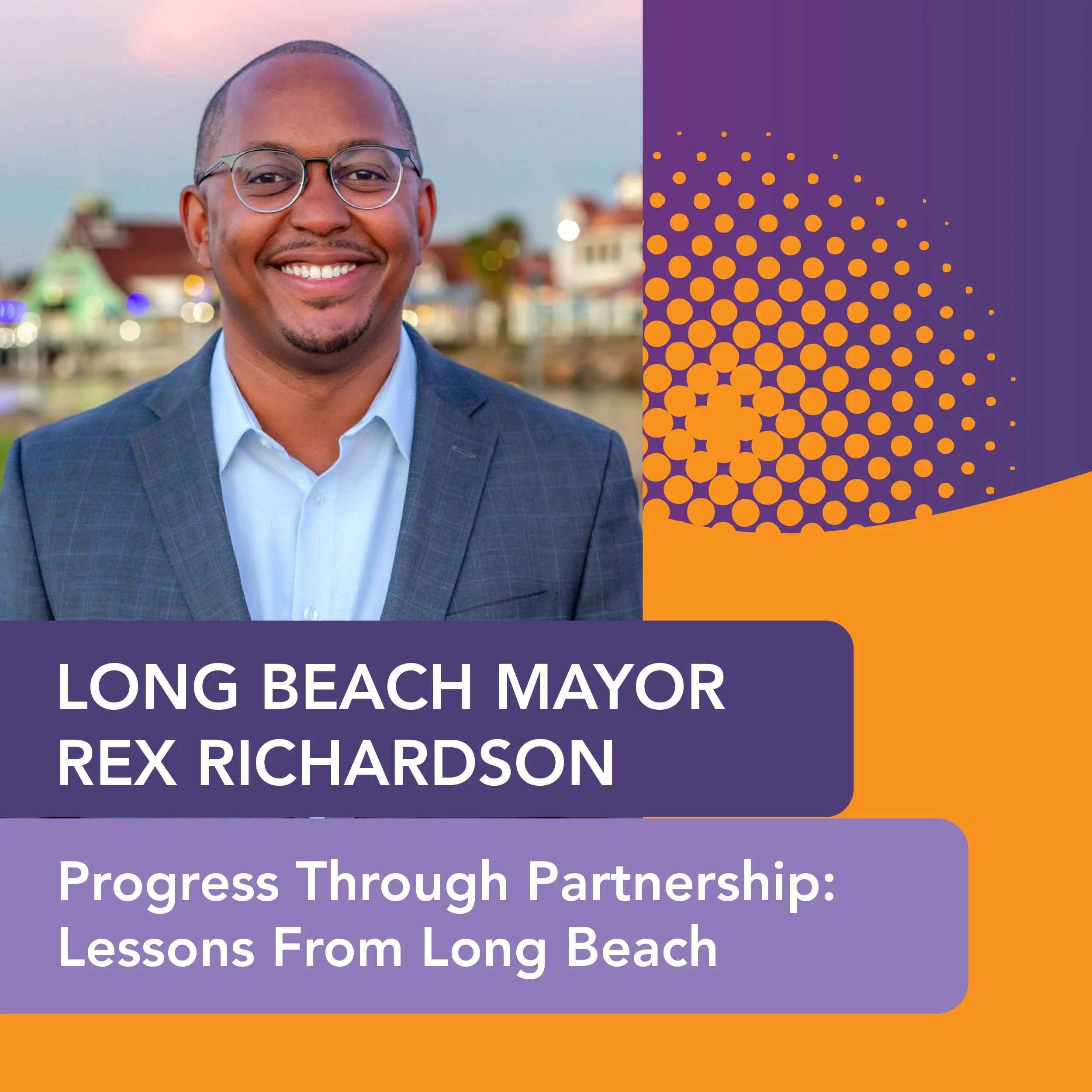
Progress Through Partnership: Lessons From Long Beach
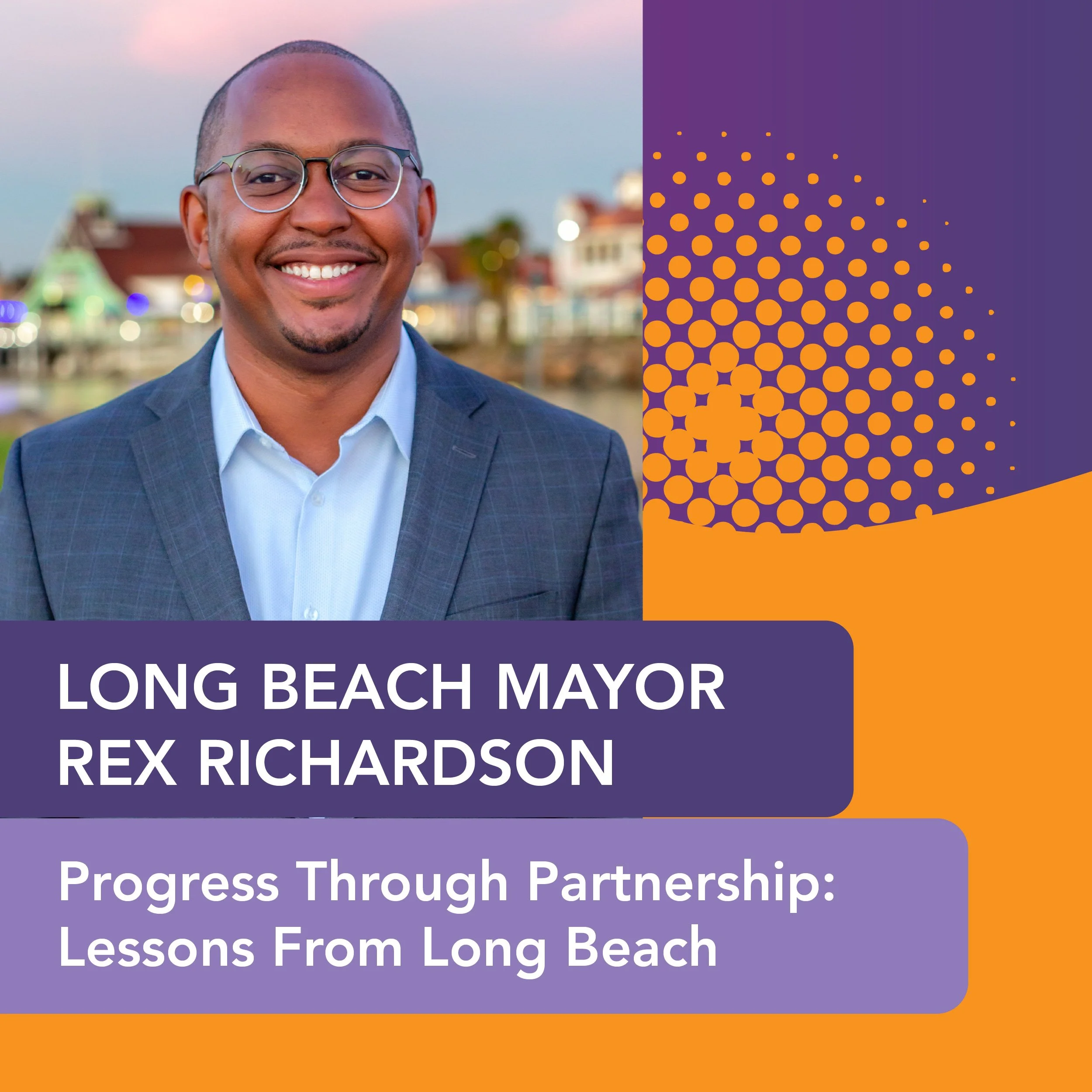
Long Beach, California is taking ambitious action to expand housing opportunities, address homelessness, and invest in the infrastructure that helps communities thrive. Under Mayor Rex Richardson’s leadership, the city has approved more than 5,000 new homes in just three years, marking its strongest pace of housing production since the 1980s. The city is also expanding homelessness prevention and pathways to permanent housing while making significant investments in infrastructure and neighborhoods. Join us for a conversation with Mayor Richardson about Long Beach’s experience, the policies and partnerships driving its progress, and the ideas and lessons that can inform Santa Fe’s continued work to expand housing opportunities while preserving the qualities that make our community unique. Reception to immediately follow lecture.
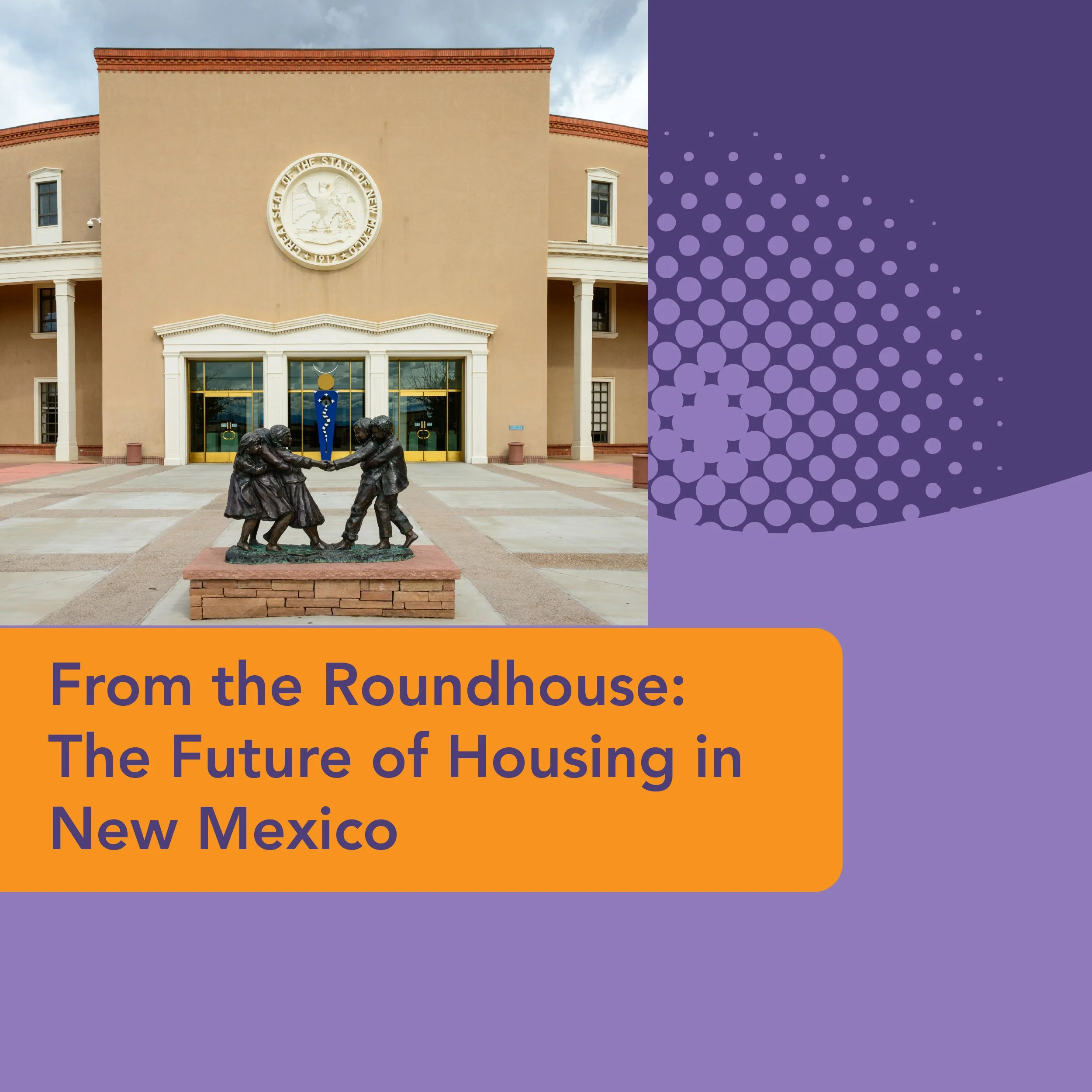
From the Roundhouse: The Future of Housing in New Mexico
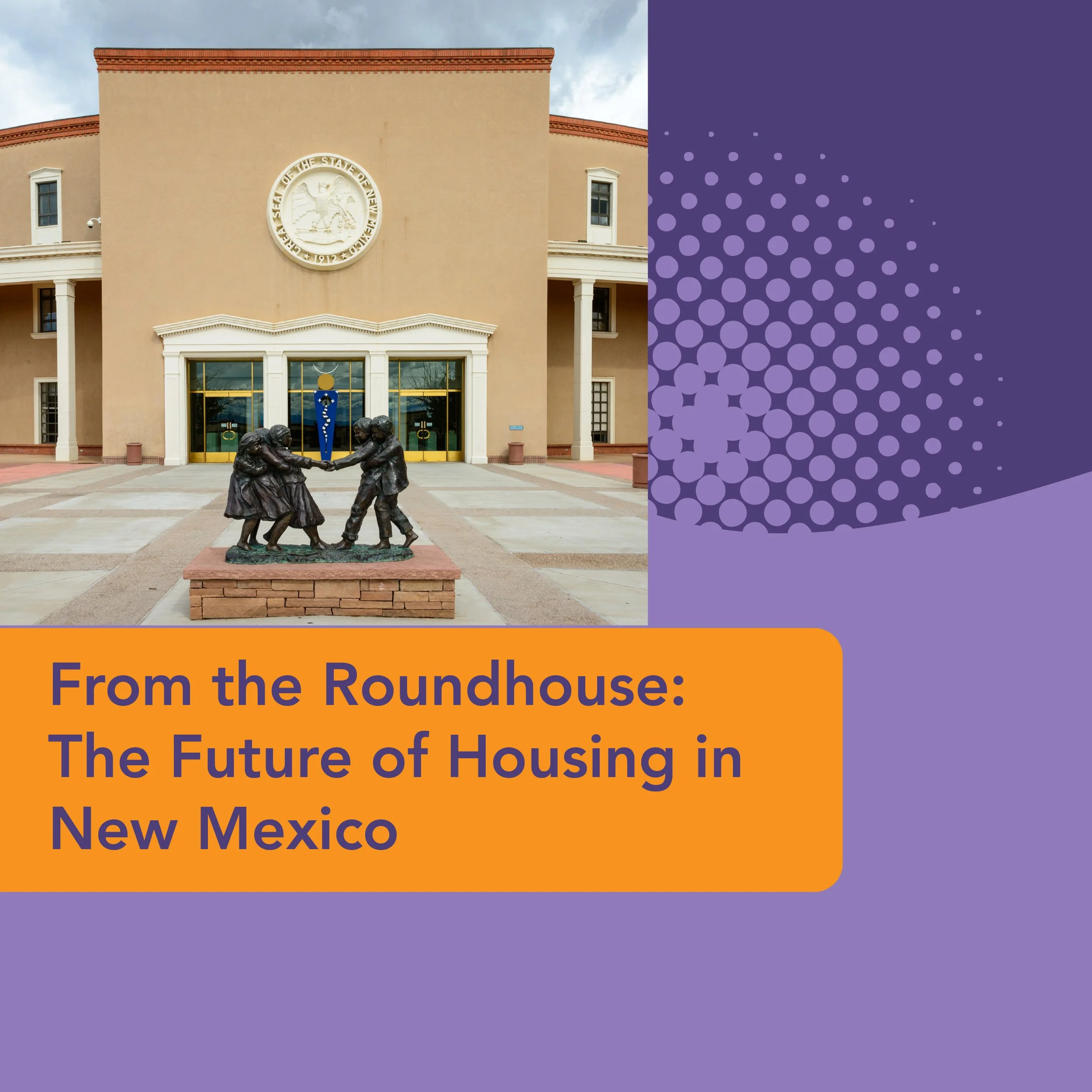
New Mexico faces a housing shortage of at least 58,000 homes. Too many New Mexicans struggle to find housing they can afford, and homelessness remains a growing challenge in communities across the state. What role can the Legislature play in closing the gap?
Join Senator Heather Berghmans, Representative Cristina Parajón, Representative Jonathan Henry, and Majority Floor Leader Reena Szczepanski for a timely conversation about the future of housing in New Mexico. Hear what the Legislature has accomplished, what lawmakers are considering for the 2027 session, and what ideas from other states could help move the needle here. Whether you're a homeowner, renter, housing advocate, or simply concerned about your community's future, you'll leave with a deeper understanding of the challenges, the opportunities, and the policies that can help create more attainable housing for all New Mexicans. Reception to immediately follow lecture.
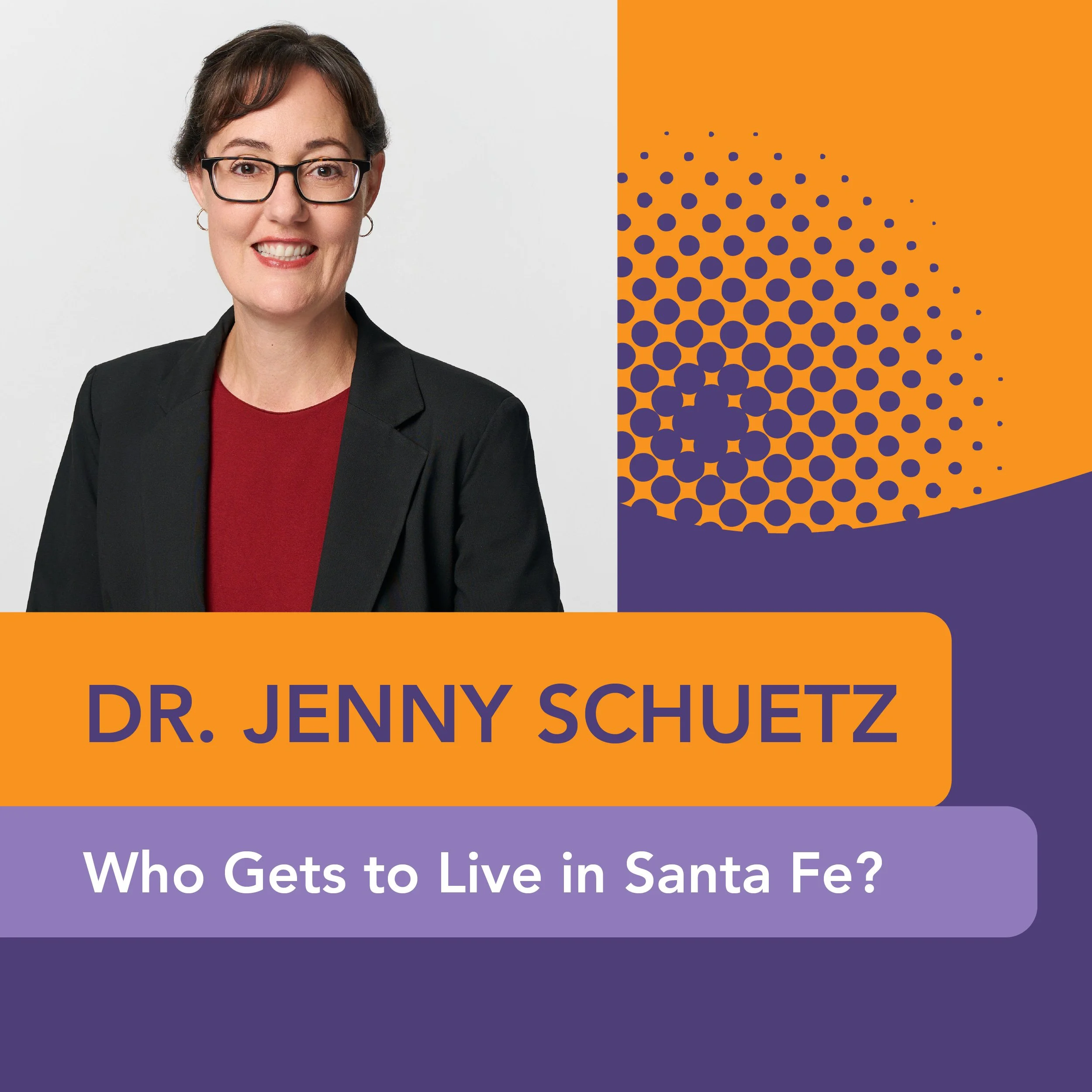
Who Gets to Live in Santa Fe?
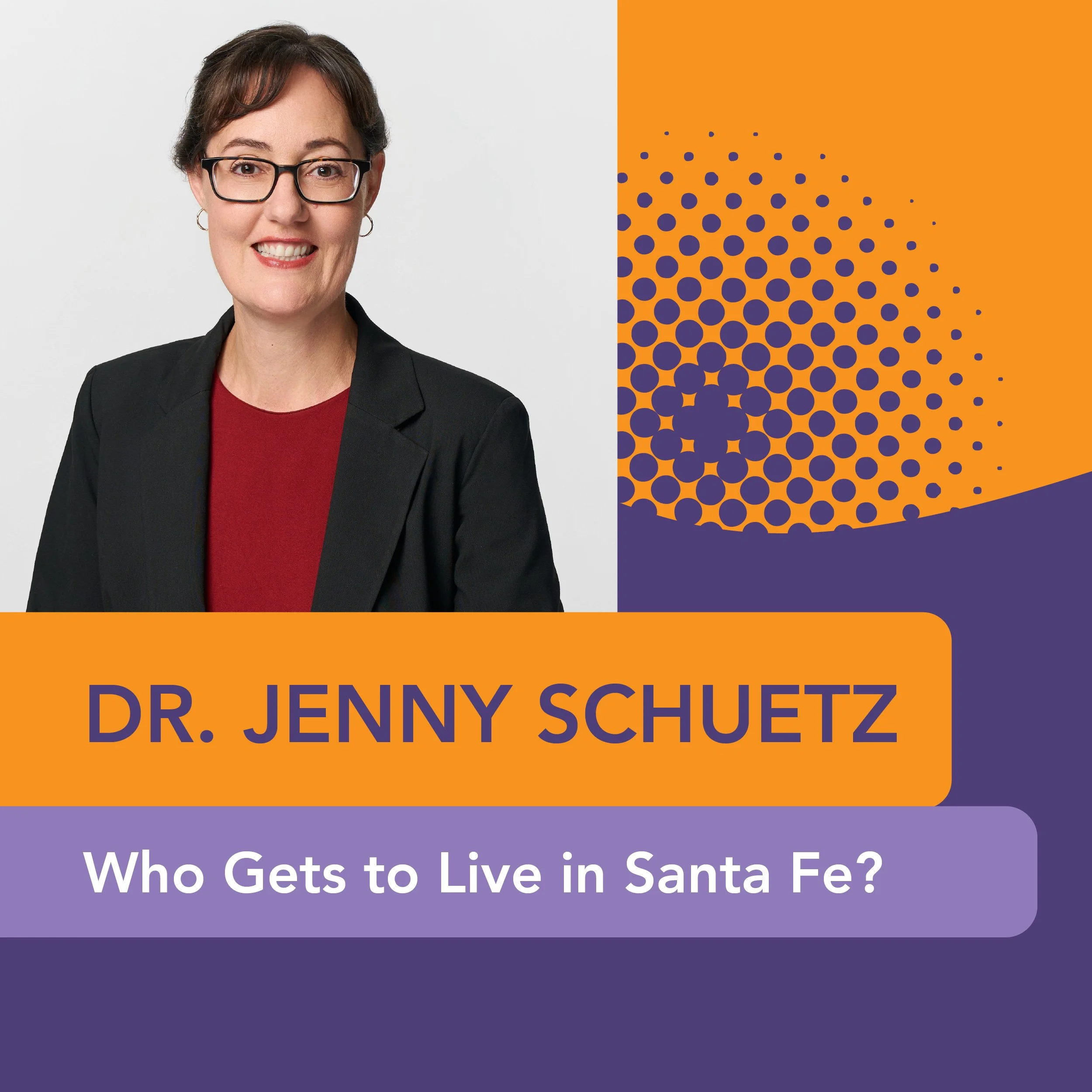
As Santa Fe faces rising housing costs, workforce shortages, and growth pressures, one question is becoming impossible to ignore: who can still afford to call this city home?
In this engaging conversation, urban economist and author of Fixer-Upper: How to Repair America’s Broken Housing Systems Jenny Schuetz explores how housing policy, zoning, transportation, and development decisions shape the future of communities like Santa Fe. Drawing from her nationally recognized research, Schuetz will share practical ideas for creating more housing opportunities while preserving the character and culture that make Santa Fe unique. Whether you work in design, development, business, government, or simply care about the future of Santa Fe, this conversation will offer fresh insight into one of the most important issues shaping our city today. Reception to immediately follow lecture.
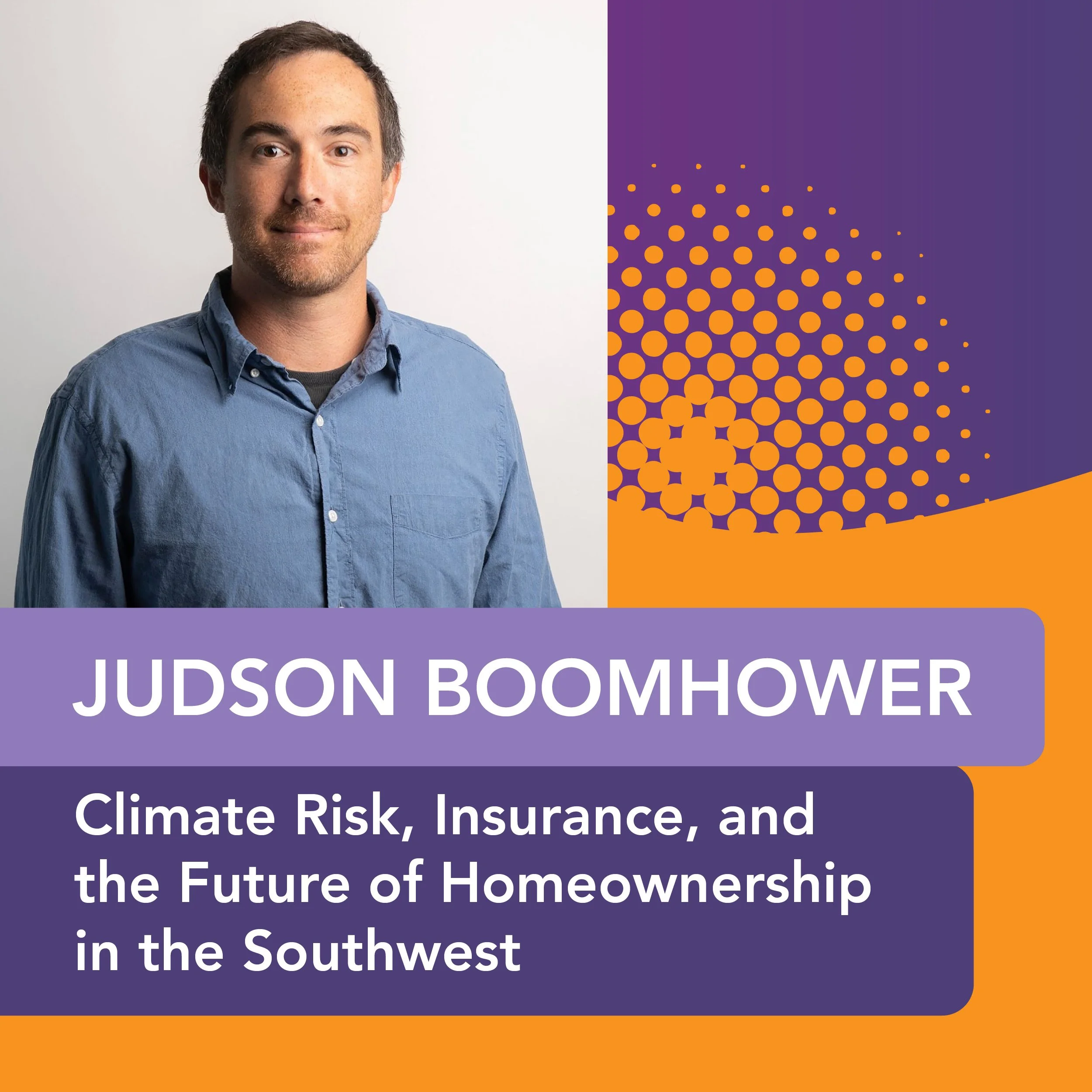
Climate Risk, Insurance, and the Future of Homeownership in the Southwest
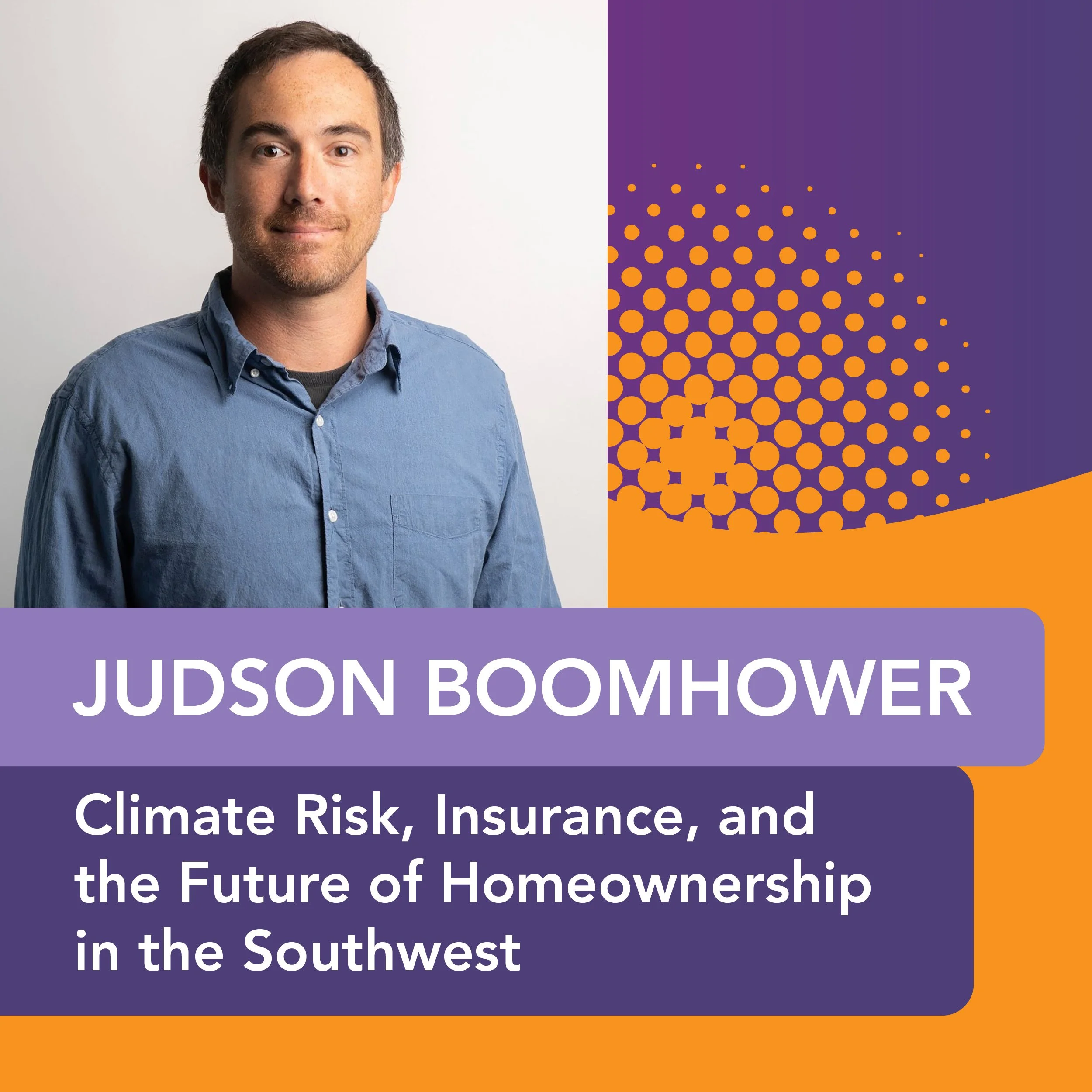
Join environmental economist Judson Boomhower for a timely conversation on how climate change is reshaping the cost of owning a home. Drawing on his research into insurance markets and climate risk, he’ll explain why many Santa Fe homeowners are seeing rising premiums—or losing coverage altogether. From wildfire risk to severe storms, the Southwest is on the front lines of these changes. Boomhower will share the data behind these trends in clear, practical terms and what they mean for housing and insurance in the years ahead. He’ll also highlight realistic paths forward, including policy ideas and steps homeowners and communities can take to stay resilient. Venue as changed to St. Francis Auditorium: 107 W. Palace Ave, 87501. Reception to follow immediately after lecture.
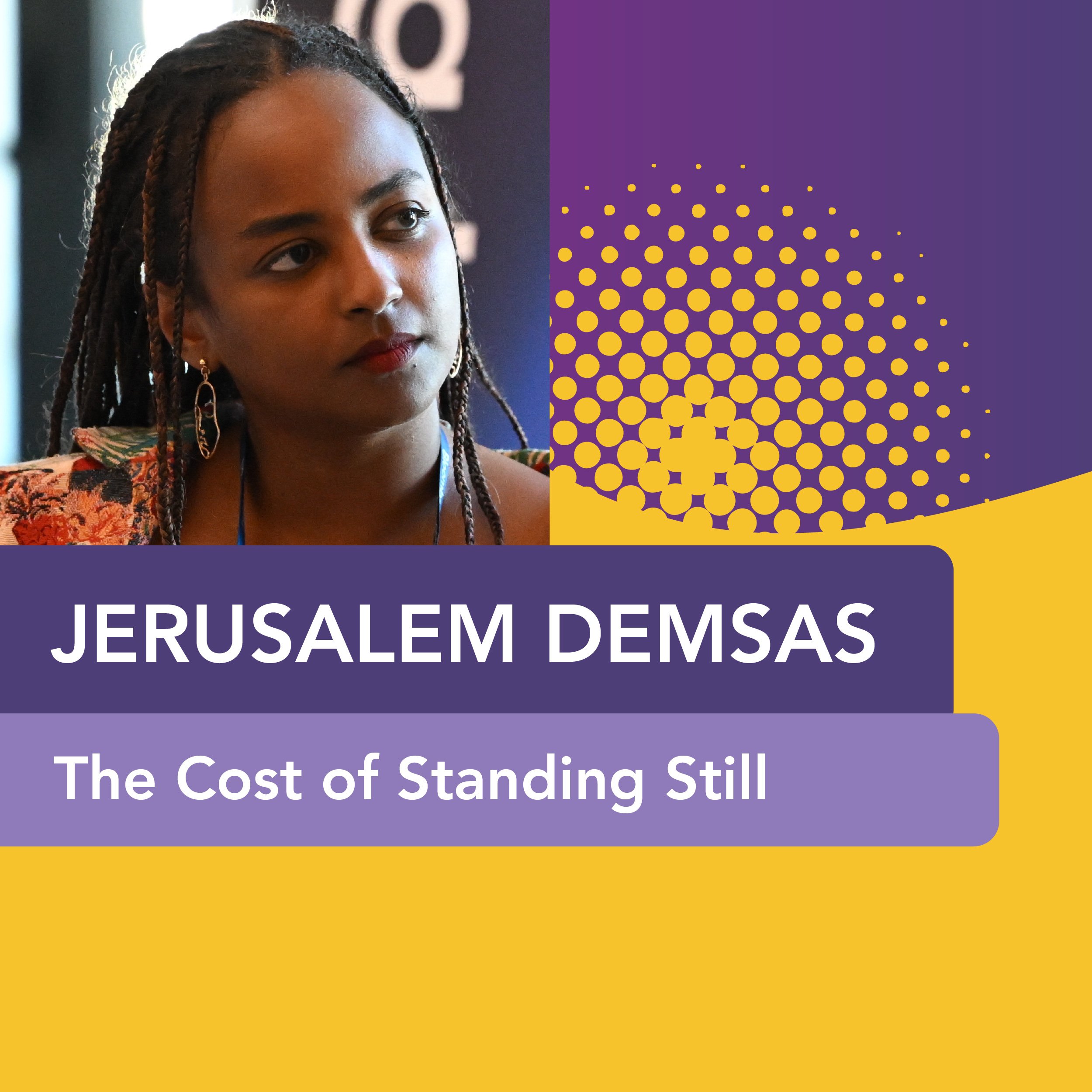
The Cost of Standing Still
Join Jerusalem Demsas for a timely conversation on the housing challenges reshaping cities across America and what communities like Albuquerque can do to meet the moment. Drawing on her work at The Argument and The Atlantic, Demsas will examine how planning, zoning, and local decision-making influence who can afford to live, work, and build a future in our communities.
As ABQ grapples with housing shortages, Demsas will examine why cities cannot preserve themselves by resisting change alone, and why communities ultimately face a choice: intentionally shape growth or be forced to respond to it after the fact.
The conversation will also recognize the progress Albuquerque has already made through planning and zoning reform while looking ahead to what comes next — including the policies and tools that can help expand housing opportunities, support long-term economic health, and reduce displacement as investment and growth continue. Reception to follow immediately after lecture.
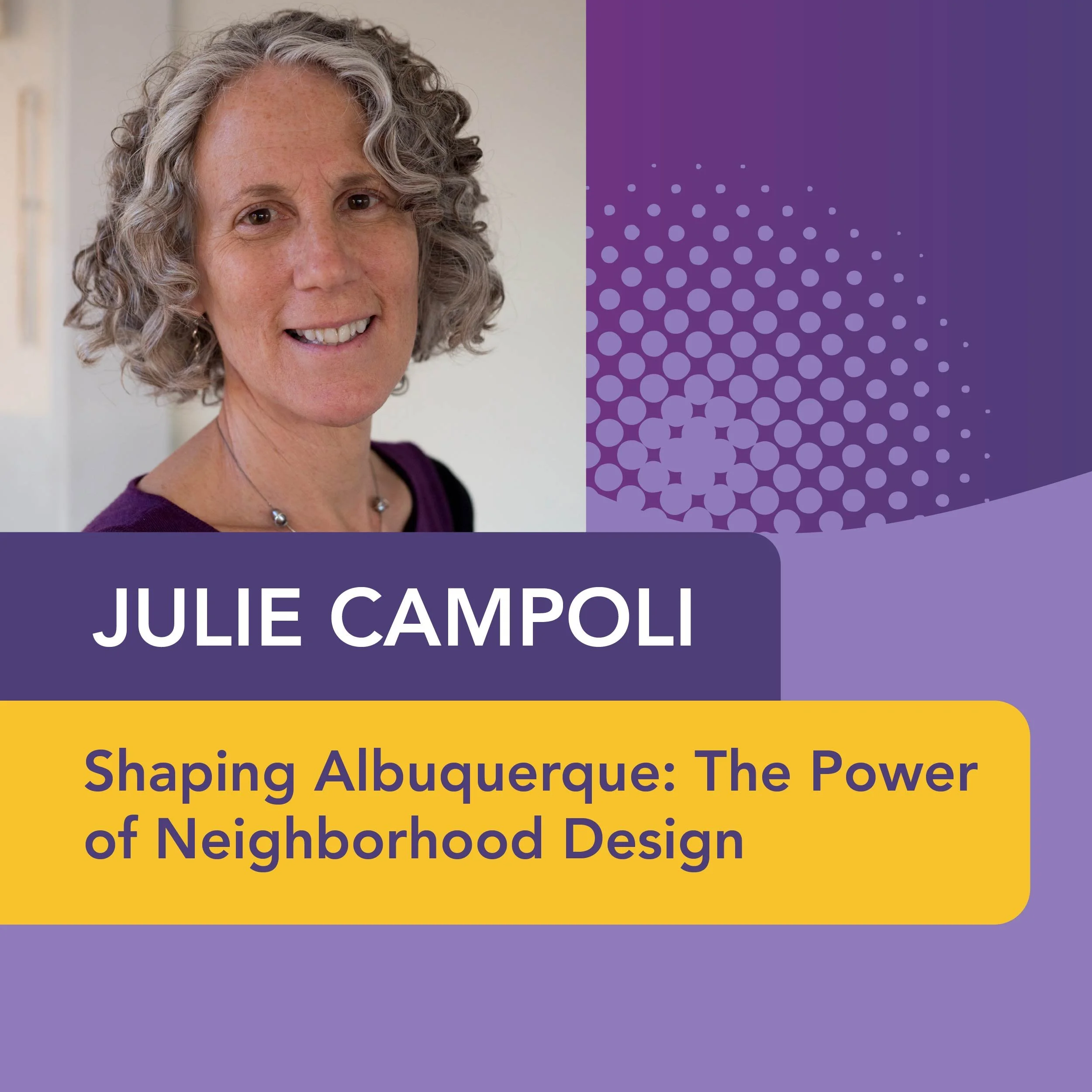
Shaping Albuquerque: The Power of Neighborhood Design
Join us for an engaging evening with urban designer, editor, and author Julie Campoli, who will explore how the design of neighborhoods shapes how they are experienced—and why some places thrive while others fall short.
Through compelling visual examples from across the country, Campoli will reveal why places with similar levels of development can feel either vibrant and welcoming or disconnected and underwhelming. She will highlight the essential elements that make compact neighborhoods succeed, including walkability, access to daily needs, and human-scaled design.
This talk will offer fresh insight into how Albuquerque can grow more intentionally— supporting attainable housing, responding to its environment, and creating stronger connections between people, places, and everyday life.
Don’t miss this opportunity to hear practical ideas for shaping neighborhoods that are livable, resilient, and distinctly Albuquerque. Reception to immediately follow lecture
View Event Images
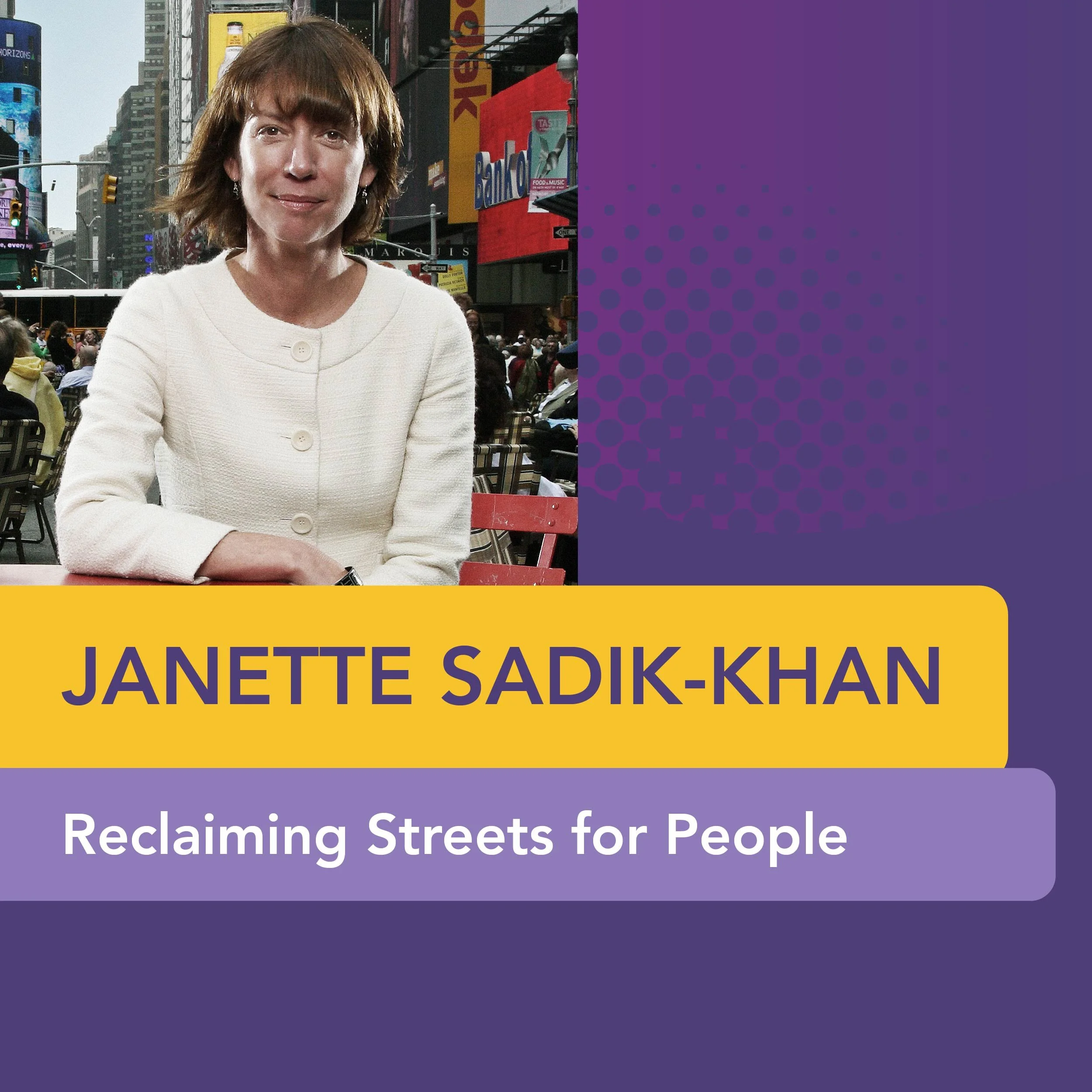
Reclaiming Streets for People
Janette Sadik-Khan, Principal at Bloomberg Associates, former Commissioner of the New York City Department of Transportation, and author of Streetfight: Handbook for an Urban Revolution, shares practical lessons from transforming streets in cities around the world. Drawing on her experience delivering rapid, people-first changes, she will explore how safer walking and biking infrastructure, better transit, and more flexible public spaces can improve safety and mobility. The session will outline low-cost pilots and data-driven design as tools to build public support and overcome resistance to change. Sadik-Khan will highlight how Albuquerque can adapt these strategies to its own streets and priorities. Attendees will leave with clear, actionable insights for creating safer and more vibrant streets that better serve people and communities. Reception to immediately follow lecture.
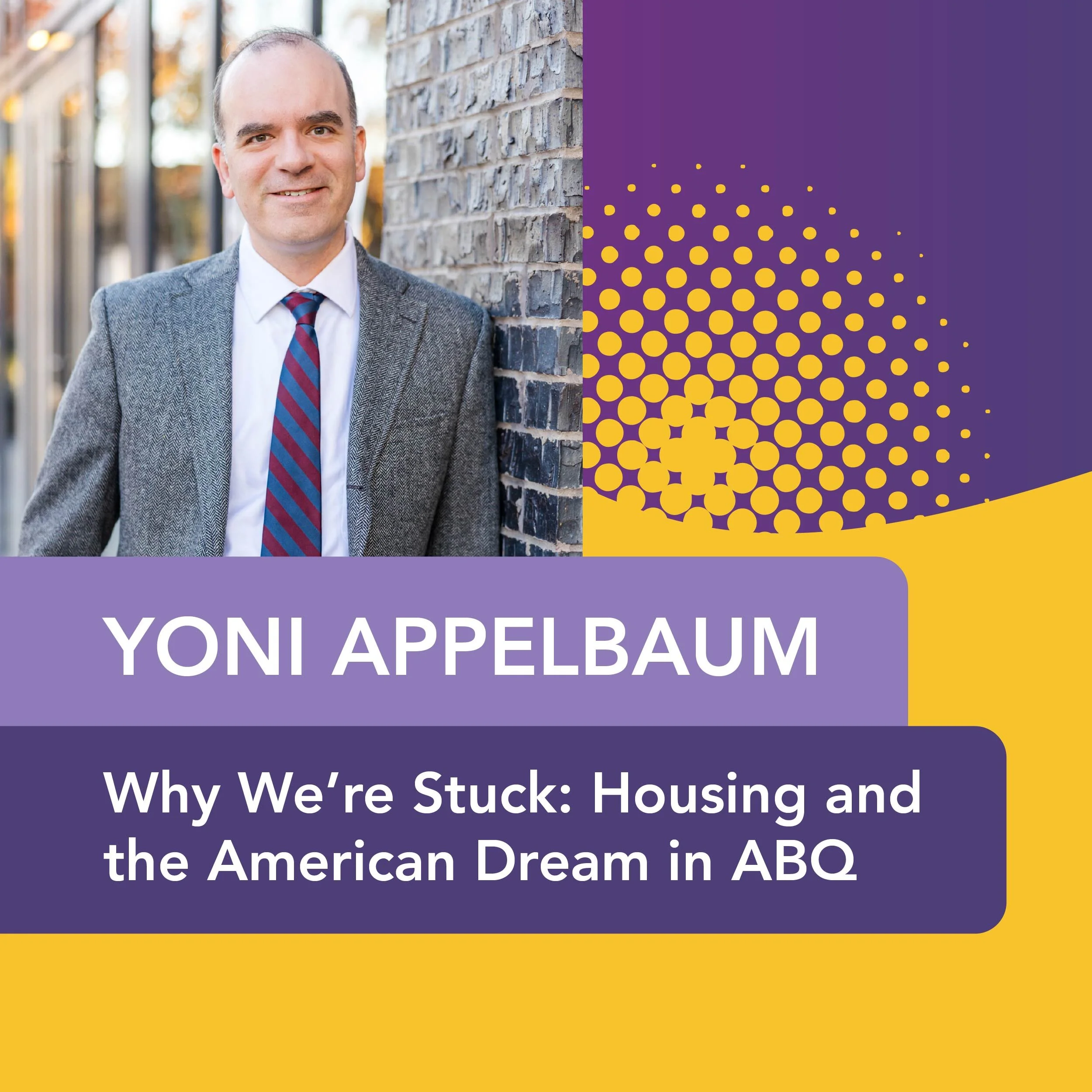
Why We're Stuck: Housing and the American Dream in ABQ
Join us for a thought-provoking conversation with Yoni Appelbaum, deputy executive editor at The Atlantic and author of Stuck: How the Privileged and the Propertied Broke the Engine of American Opportunity. Appelbaum explores how moving in search of opportunity—once central to American life—has become increasingly out of reach for working-class families. Today, many people are no longer moving to where jobs are growing, but to where housing is simply affordable, as housing policy has turned homes into scarce investments. We’ll discuss how mobility, housing, and opportunity are playing out locally in Albuquerque, and potential paths forward. Reception to immediately follow lecture.

From Policy to Pavement: Advancing Decarbonization Through Smart Development

Join EMNRD (Energy, Minerals and Natural Resources Department of the State of New Mexico) Deputy Secretary Ben Shelton for an illuminating conversation on decarbonization—the urgent work of reducing greenhouse gas emissions by shifting to cleaner energy, improving efficiency, and reimagining how we power our homes and communities. This session will explore practical strategies for accelerating the energy transition, especially in the places where we live and work.
Deputy Secretary Shelton will share insights into New Mexico’s statewide decarbonization strategy. He will also offer concrete ideas for how communities like Santa Fe can support low-to-moderate-income households in making their homes more energy-efficient, resilient, and climate-friendly.
As Santa Fe undertakes its first major update to the general plan and land use code in decades, this timely session invites us to consider how smart, inclusive development can help build a more sustainable, equitable future—locally and statewide. Reception to immediately follow lecture.

Planting the Rain to Grow Abundance

Join Brad Lancaster, author of Rainwater Harvesting for Drylands and Beyond and co-founder of NeighborhoodForesters.org, for an inspiring discussion on how simple, low-cost strategies can transform our homes, neighborhoods, and community into thriving oases of abundance. Brad will share practical ways to work with natural systems—harvesting rainwater, reusing greywater, growing shade, building fertile soil, and revitalizing public spaces—to create healthier, more resilient environments. Through compelling real-world examples, you’ll see how hand-built structures have restored wetlands, how sun and shade are harnessed to power homes naturally, and how stormwater can be redirected to grow beauty, food, and community. Brad will highlight how these regenerative practices can shape local development and the land development code. By incentivizing green infrastructure and integrating water-harvesting landscapes into urban design, these approaches support long-term water security, climate resilience, and vibrant public spaces. Reception to immediately follow lecture.

Bridging the Gap: Missing Middle Housing to Strengthen Santa Fe

Join architect, urban designer, and author Daniel Parolek, the visionary behind the "Missing Middle Housing" concept, as he delves into innovative housing solutions tailored to Santa Fe's unique urban landscape. In this session, Parolek will explore a spectrum of small-scale, multi-unit housing types that bridge the gap between single-family homes and large apartment complexes, promoting walkable, diverse, and attainable communities. Drawing from national private and public sector case studies, his extensive experience in zoning reform, and his design innovations with developers, he will provide actionable insights on implementing these housing models to address local affordability challenges and enhance neighborhood vitality. Reception to immediately follow lecture.

Unlocking the City: How Zoning Shapes Santa Fe's Future

Join Sara C. Bronin, architect, attorney, and author of Key to the City: How Zoning Shapes Our World, for a compelling discussion on how zoning quietly—but profoundly—impacts housing, transportation, public spaces, and climate resilience. Drawing from her leadership in Hartford’s award-winning zoning overhaul and her role as founder of the National Zoning Atlas, Bronin will share practical insights and success stories from across the country. As Santa Fe undertakes its first major update to the land development code and general plan in decades, this talk offers a timely opportunity to explore how zoning can support a more livable, inclusive, and sustainable future—shaped by our city’s unique cultural and environmental identity.

Getting Government Working: Success Stories of Public/Private Partnerships to Address the Housing Shortage

Local government plays a critical role in shaping the quality of life for its residents, by delivering everything from lifeline goods and services, to schools and public safety, to safe and affordable housing. George W. “Mac” McCarthy, President and CEO of the Lincoln Institute of Land Policy, will discuss innovative local efforts where local governments stepped up to help preserve and produce affordable housing. Drawing from his extensive experience working across the nation, McCarthy will share stories that demonstrate how governments have addressed systemic inefficiencies that stall housing development and preservation through new public-private-civic coalitions that produce real results. Reception to immediately follow lecture.

Urbanism and Entrepreneurship: The Role of Small Business in Neighborhood Revitalization

Eric Williams, founder and creative director of The Silver Room—an innovative hub for retail, arts, education, and community events—will share his inspiring work revitalizing Chicago’s South and West Side neighborhoods. By harnessing the transformative power of culture and commerce, Eric has played a key role in driving economic growth and fostering vibrant neighborhoods. As Albuquerque pursues efforts to rejuvenate downtown and other commercial areas, Williams’ insights into development and entrepreneurship will highlight strategies for creating lasting community impact. Reception to immediately follow lecture.
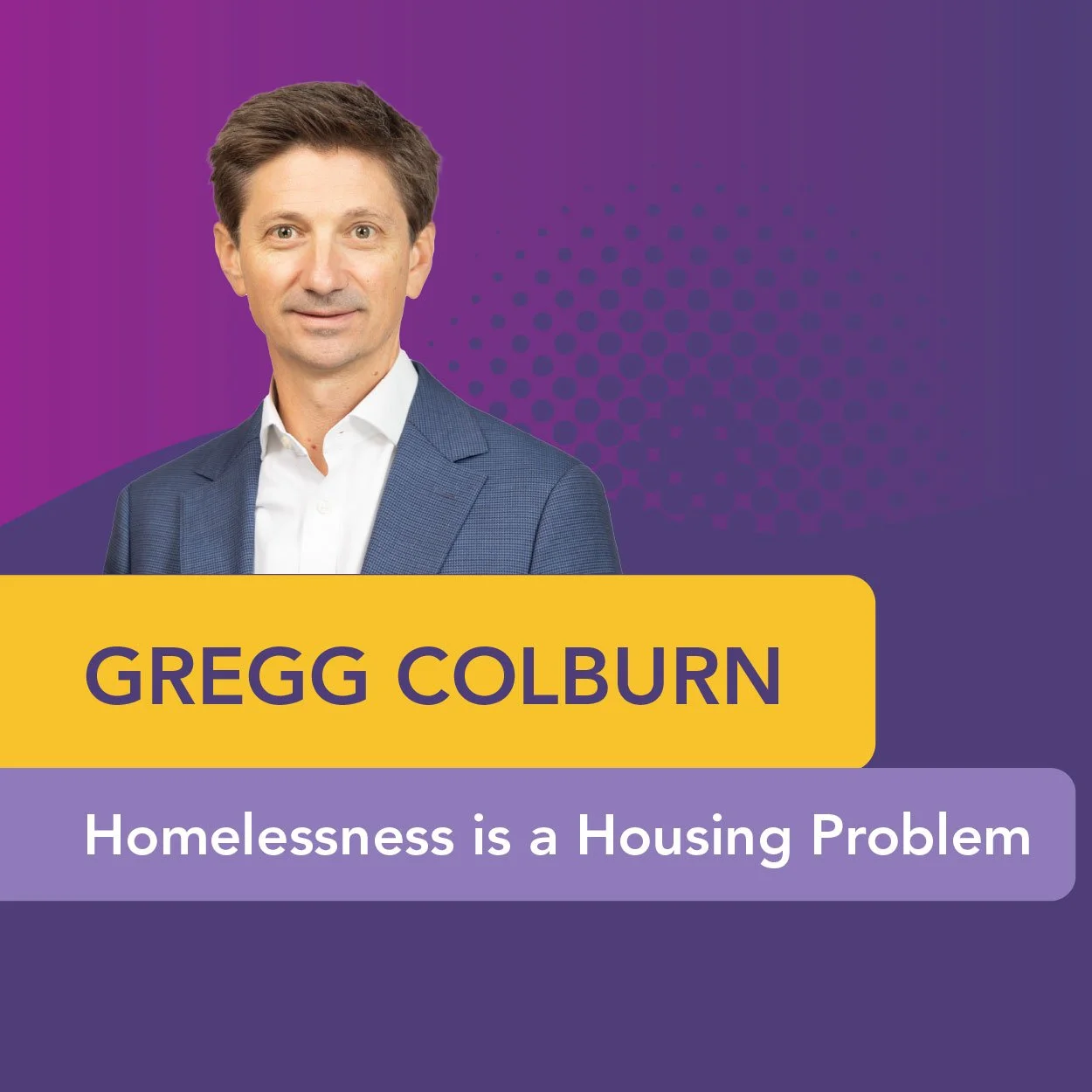
Homelessness is a Housing Problem

Gregg Colburn, associate professor at the University of Washington and co-author of the books Homelessness is a Housing Problem: How Structural Factors Explain U.S. Patterns and Affordable Housing in the United States, will discuss conventional beliefs about what drives homelessness—including mental illness, drug use, poverty, weather, generosity of public assistance, and low-income mobility—and why none of those fully explain the root cause: housing market conditions. Colburn will outline the types of policies that can best help cities like Albuquerque address this issue. Reception to immediately follow lecture.

Addressing the Housing Crisis: Lessons from Minneapolis

The housing crisis impacts us all, but figuring out how to fix it often feels like a tug-of-war. Some say the answer is simple: build more housing to meet demand. Others worry that new, high-cost developments could make things worse. So, how do we move forward when there’s no consensus on the underlying economics?
Heather Worthington, principal at Urban 3 and former Director of Long-Range Planning in Minneapolis, offers a fresh perspective, grounded in her work on the transformative Minneapolis 2040 Comprehensive Plan which stimulated significant affordable housing development and has helped keep rents at some of the lowest rates in the country. Reception to immediately follow lecture.

Designing Our City for People Not Cars

Jeff Speck is a city planner and author who advocates internationally for more walkable cities. His 2012 book Walkable City was the best-selling city planning title of the past decade. He is also the principal author of The Smart Growth Manual and Walkable City Rules, and co-author of Suburban Nation. In this session, Speck will discuss ways car-centric cities like Santa Fe can become more walkable, bikeable, and connected. He will share why urban sprawl is so problematic and key changes that could make our city more pedestrian friendly, sharing replicable successes from across the country and globe. Reception to immediately follow lecture.

Visualizing Density: Designing Santa Fe's Future

Urban designer, editor, and author Julie Campoli will discuss the impact of density on affordable housing, sustainability, and connectivity. Using real examples from Santa Fe and across the country, Campoli will outline how neighborhoods of similar density can either be loved or hated depending on their design. She will offer key insights and suggestions for building the neighborhoods that will serve Santa Fe best in the future. Reception to immediately follow lecture.

Creating and Recreating Santa Fe: Making Room for Innovation Within Tradition

Chris Wilson, the J. B. Jackson Chair of Cultural Landscape Studies, Emeritus, and founding director of the Historic Preservation and Regionalism Program at the University of New Mexico, will discuss how Santa Fe developed its unique regional identity and trademark architectural style, and the benefits and consequences. He will share his perspectives on how Santa Fe can preserve its history and culture amidst continued growth, while also drawing inspiration from the rich repertory of high quality, multifamily house types across the U.S. Sunbelt before World War II, most famously, the example of courtyard apartments. Reception to immediately follow lecture.

Why is Affordable Housing in Such Short Supply?: The Role of Neighborhood Defenders

Katherine Levine Einstein, Associate Professor of Political Science at Boston University and Associate Director at the Initiative on Cities, will discuss how cities derive neighborhood input on new housing projects and how that currently shapes the way our cities grow (or don't). She will share why neighborhood defenders--motivated residents who most often participate in local housing politics--can often contribute to higher housing costs, and the types of reforms that could lead to more representative participation. Reception to immediately follow lecture.

Homelessness is a Housing Problem

Gregg Colburn, associate professor at the University of Washington and co-author of the book Homelessness is a Housing Problem: How Structural Factors Explain U.S. Patterns, will discuss conventional beliefs about what drives homelessness—including mental illness, drug use, poverty, weather, generosity of public assistance, and low-income mobility—and why none of those fully explain the root cause: housing market conditions. Colburn will outline the types of policies that can best help cities like Santa Fe address this issue. Reception to immediately follow lecture.

Planning for Santa Fe’s Future: How to Make Land Use Policies Work for All
Jerusalem Demsas, staff writer at The Atlantic specializing in housing and the economy, will discuss the reasons housing prices keep rising and the ways cities like Santa Fe can strengthen planning and zoning regulations to increase affordability and build community.